

Sustainable climate action in cities could be catalysed with the help of financing. Recognising this, the UCLG ASPAC-implemented Climate Resilient and Inclusive Cities (CRIC) Project held its fourth Panel of Experts was in Kochi, Kerala, India from 4-6th February 2025 at the Marriott Hotel.
Organised in collaboration with the All-India Institute of Local Self-Government (AIILSG) and supported by the European Union, this hybrid three-day event brought together more than 70 participants. Attendees included local government leaders, CRIC pilot city representatives, Indian cities, CRIC strategic and implementing partners, and financing institutions. Focusing on strengthening cities’ capacity to access climate finance opportunities, discussions revolved around innovative financing solutions that can help cities achieve climate resilience and inclusiveness.
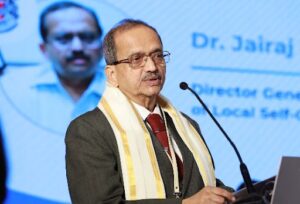 The event was welcomed through a felicitation of guests by Ms Hansa Patel, Chief Executive Advisor of AIILSG, symbolised by the lighting of a ceremonial lamp. In the opening session, Dr. Jairaj Pathak, Director General of AIILSG highlighted the urgency of climate action, where with increasing risks, we need to rethink financing, prioritising long-term resilience over short-term profits.
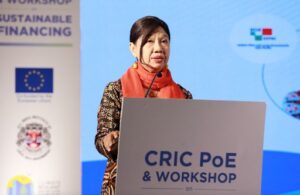 Dr. Bernadia Irawati Tjandradewi, Secretary General of UCLG ASPAC emphasised that climate change is no longer a distant issue. “The time to act is now. As cities look toward their climate-resilient futures, cities are rich in ideas and commitment. Many have developed comprehensive climate action plans with detailed versions for mitigation, adaptation and sustainability. But they often lack the financial resources to turn these plans into reality. So, climate finance is more than just funding. It opens the door for cities to implement innovative solutions to meet both national and international climate targets”, she said.
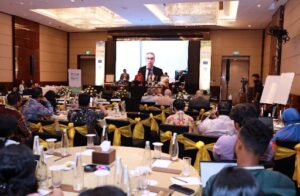 In his virtual opening address, Mr. Thibaut Portevin, Head of Cooperation at the EU Delegation to Indonesia/ASEAN, discussed the EU-Indonesia partnership in tackling climate challenges and highlighted inclusive resilience to ensure that climate adaptation processes work for everyone.
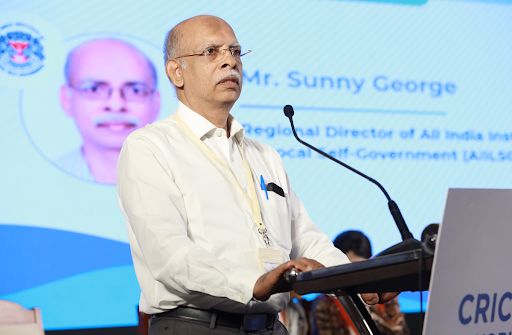
On behalf of Kerala, Shri. M. B. Rajesh, Hon’ble Minister for Local Self Government Department echoed this sentiment by saying that the cost of inaction will be greater than climate intervention, urging stakeholders to explore green finance options, and decentralised governance to integrate climate resilience into local planning. Lastly, Mr. Sunny George’s vote of thanks as AIILSG Regional Director stressed the global responsibility to drive meaningful climate action to ensure a sustainable future for coming generations.
Expert Insights and Thematic Presentations
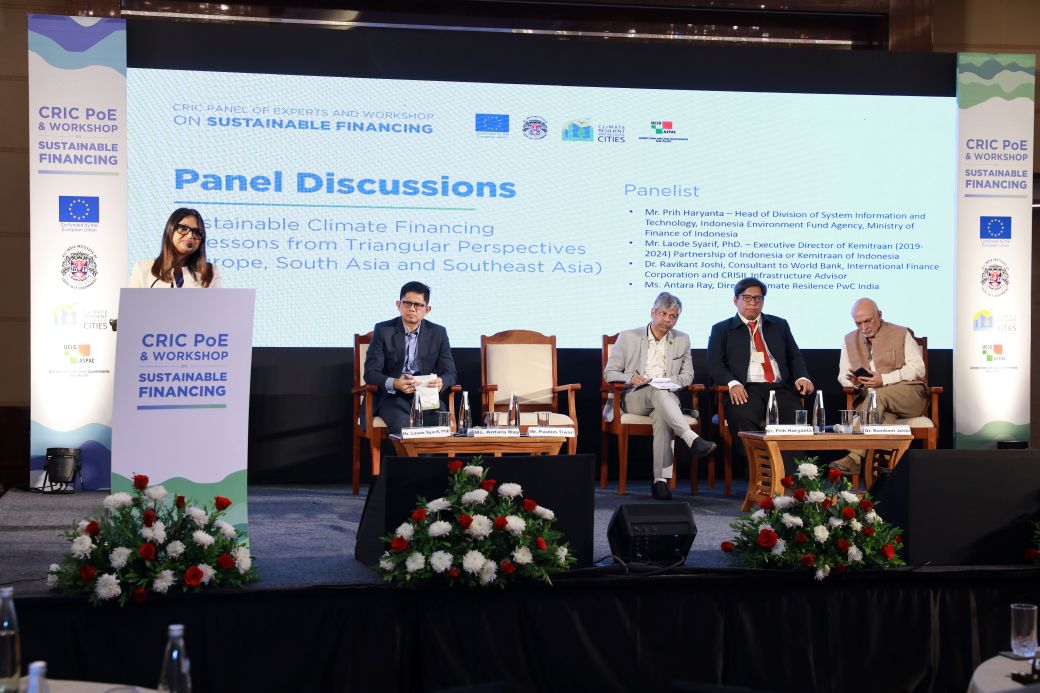
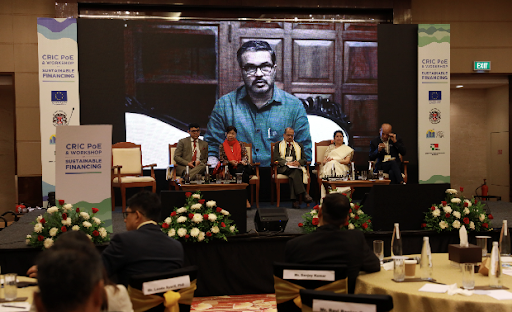
Panel discussions that followed, as moderated by Mr Pashim Tewari, Technical Director of AIILSG featured key experts, including Dr. Laode Syarief, as Executive Director of Kemitraan (2019-2024), who shared the experience of Indonesia’s Environment Fund (IEF or Badan Pengelola Dana Lingkungan Hidup/BPDLH) in managing and channelling sustainable climate finance, such as the Green Climate Funds to support Indonesia’s Civil Society Organisations,, thus underscoring the need for stronger finance regulation frameworks to ensure effective climate fund distribution.
Mr. Prih Haryanta, representing Indonesia’s Environment Fund (BPDLH), outlined Indonesia’s approach to managing environmental finances by highlighting Indonesia’s Endowment Fund, designed to enhance transparency and link environmental initiatives with economic growth. He also shared mechanisms such as the Indonesia Catalytic Fund, government programmes, philanthropy, and bilateral contributions. Meanwhile, Dr. Ravikant Joshi, Consultant to World Bank, International Finance Corporation (IFC) and and Crisil Infrastructure Advisory, mapped the international finance infrastructure essential for sustainable urban projects and emphasised the need for technical standards, private sector engagement, and robust urban climate frameworks to unlock city-level climate finance potential.
Ms. Antara Ray, Director of Climate Resilience at PricewaterhouseCoopers India, highlighted how existing projects can be transformed into climate-positive initiatives through proper technical support and financing. She also added that capacity building, private sector involvement through PPP models, and leveraging impact funds and carbon markets could me maximised to overcome financial and technical barriers in urban climate projects.
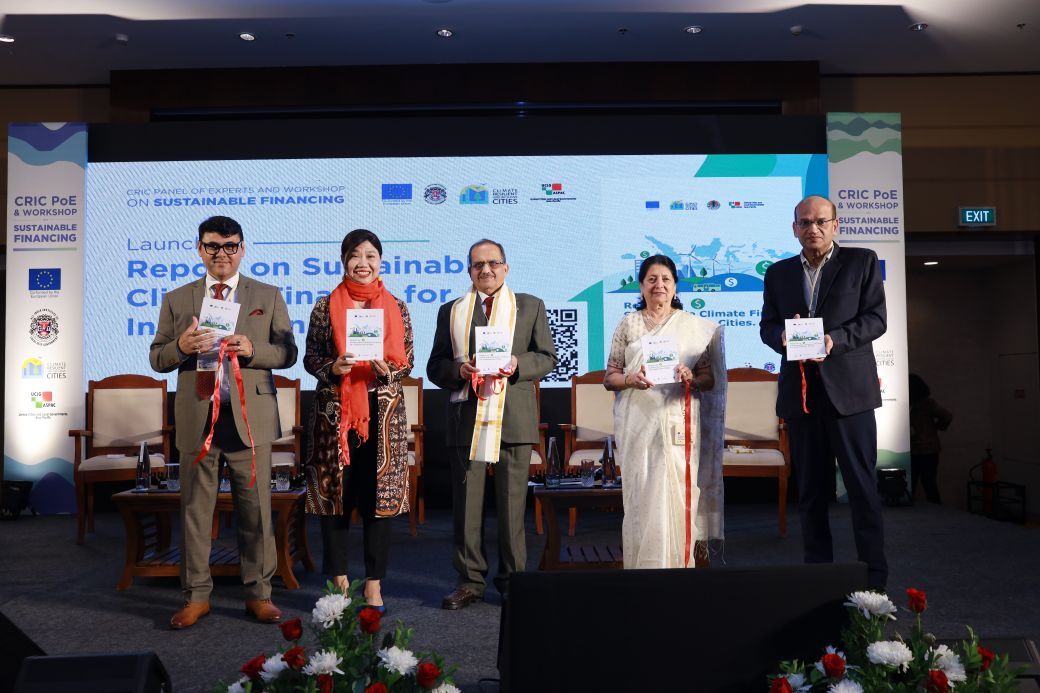
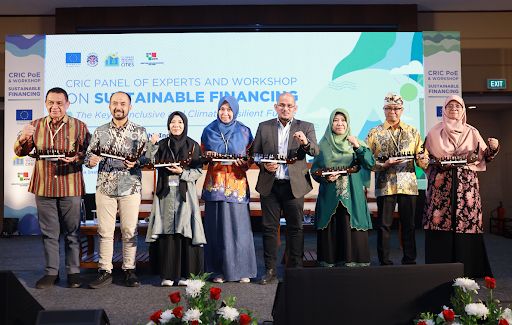
 The spotlight of the event was the launch of the Report on Sustainable Climate Finance for Indonesian Cities. In his remarks, Mr. Ravi Ranjan Guru, Deputy Director General of AIILSG, emphasised that collaboration and innovation in sustainable financing are key as India and Indonesia can unlock funding for sustainable projects through joint efforts. He also noted that both countries’ shared net-zero targets of 2070 for India and 2060 for Indonesia, thus underlining that strategic partnerships are key to a greener future.
 In the Thematic Presentations session, Mr. Pravin Bhardwaj, a Sustainable Climate Financing Expert of AIILSG introduced the Node for Sustainable Financing, and discussed the role of municipal bonds, among others in urban climate finance, such as those serviced through tax proceeds and serviced by project revenues, showcasing how such instruments can help cities raise funds for infrastructure projects.
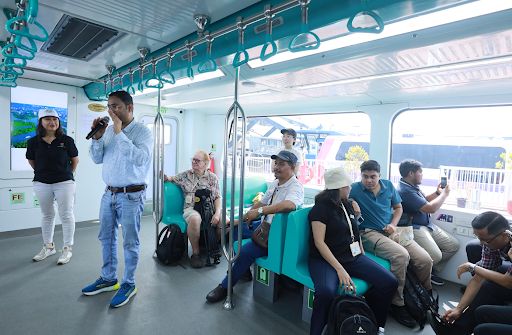
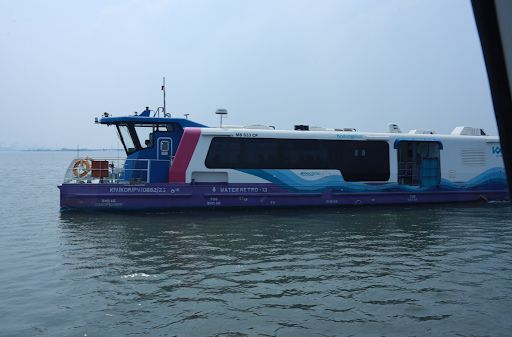
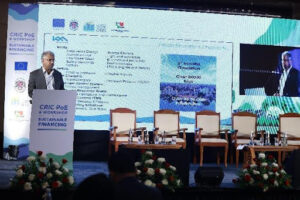 Mr. Sajan P. John, a representative of Kochi Water Metro, he presented India’s first integrated, battery-powered water transport system. Funded by the German KfW Development Bank through a soft loan, the project enhances connectivity for island communities while promoting sustainable urban mobility; aiming to reduce CO₂ emissions by 22,800 MT annually for a carbon-neutral future.
Climate Action Plans, Investment Proposals and Collaborative City Pairing
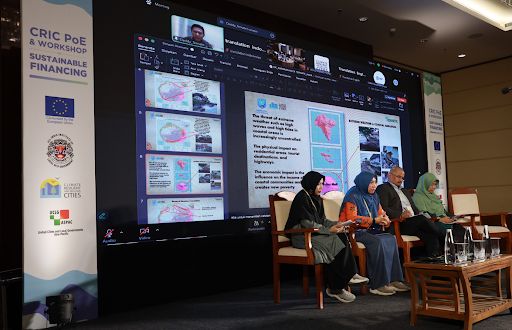
Mr. Alwis Rustam as Executive Director of APEKSI moderated the next session where CRIC pilot cities representativespresented their climate initiatives and sustainable financing proposals, focusing on dedicated climate mitigation and adaptation actions that aim towards sustainable urban development and climate resilience.
Bandar Lampung highlighted river normalisation projects, embankment reinforcement, and the installation of Early Warning Systems (EWS) to address urban flooding risks encapsulated within a USD 2 million its investment for nine rivers. Kupang, planned an investment of IDR 249 billion in integrated water resource management, including water supply intensification, drainage networks, and community-managed water points among others to strengthen urban resilience. Gorontalo’s proposal included water and sanitation upgrades, waste management infrastructure, and community capacity-building programmes for a USD 9.4 million investment.
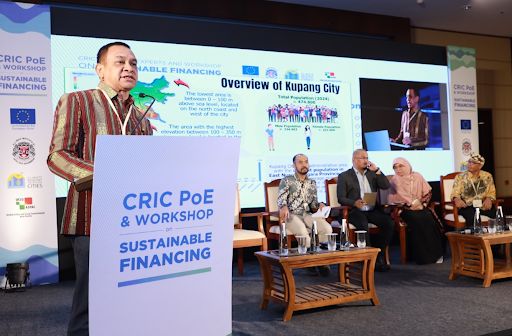
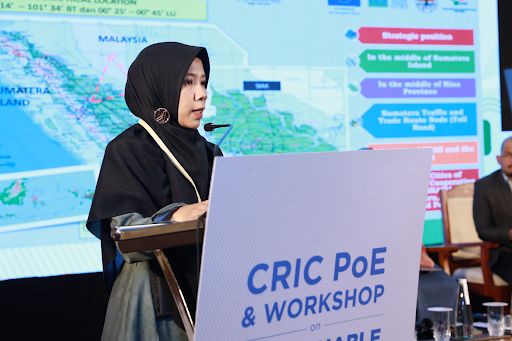
Samarinda introduced the “Samarinda Pintar” IoT-based waste management system requiring USD 16.84 million, leveraging technology for smarter solutions, and a Bus Rapid Transport (BRT) transition. For Pekanbaru, USD 9.65 million was proposed for waste management improvements that include black soldier fly bioconversion in organic waste treatment, waste sorting and recycling, landfill improvements with methane capture that aims for up to 67,520 tonnes CO₂eq of GHG emission reductions, construction of integrated waste processing facilities (TPST) at three locations and community awareness programmes.
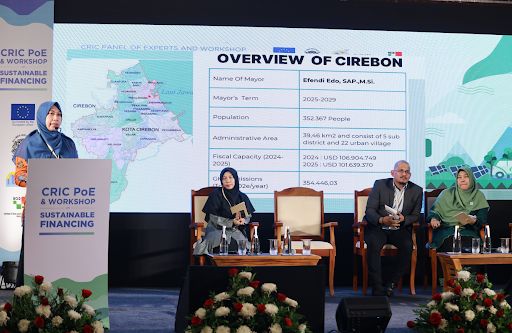
Inclusiveness was also reflected in Cirebon’s strategy to optimise its recycling centre or Pusat Daur Ulang (PDU) in hopes of reducing up to 2,500 tonnes CO₂eq of GHG emissions annually while empowering low-income communities through job creation of approximately 50 full-time jobs and urban agriculture support, with an estimated cost of USD 236,250.
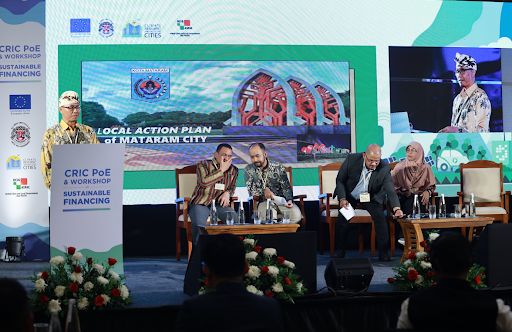
Mataram’s synergistic approach to waste management involves a key project on biodigester installations at the Majeluk Animal Slaughterhouse, processing 700-1000 kg/day of organic waste with an estimated IDR 6 billion investment in total. Plans include integration with maggot cultivation, producing organic fertiliser for urban farming, livestock feed while generating renewable biogas. This synergy offers not only economic benefits, but also education opportunities, improved agricultural and livestock productivity.
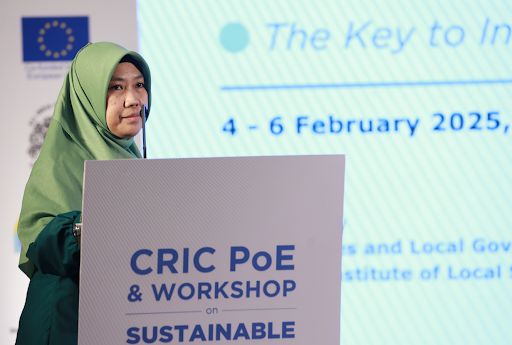
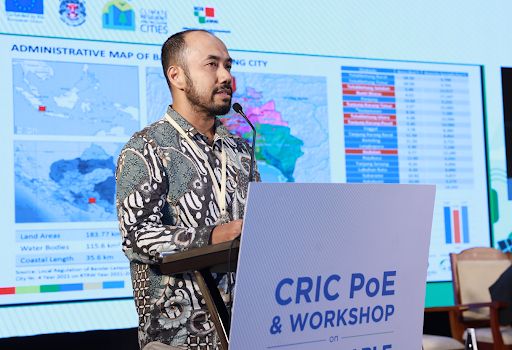
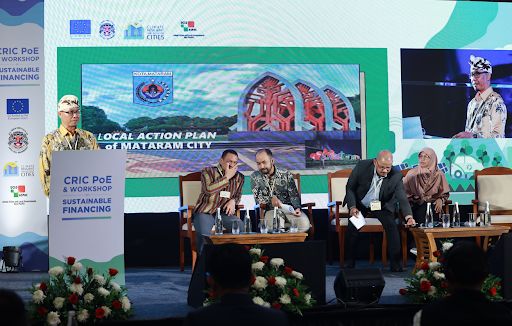
For Ternate, plans include enhancing urban resilience through three main clusters of infrastructure, education, and partnerships through key initiatives such as disaster information boards, and evacuation routes. Through its Smart Island Programme, Ternate aims to boost inter-island connectivity for disaster risk reduction.
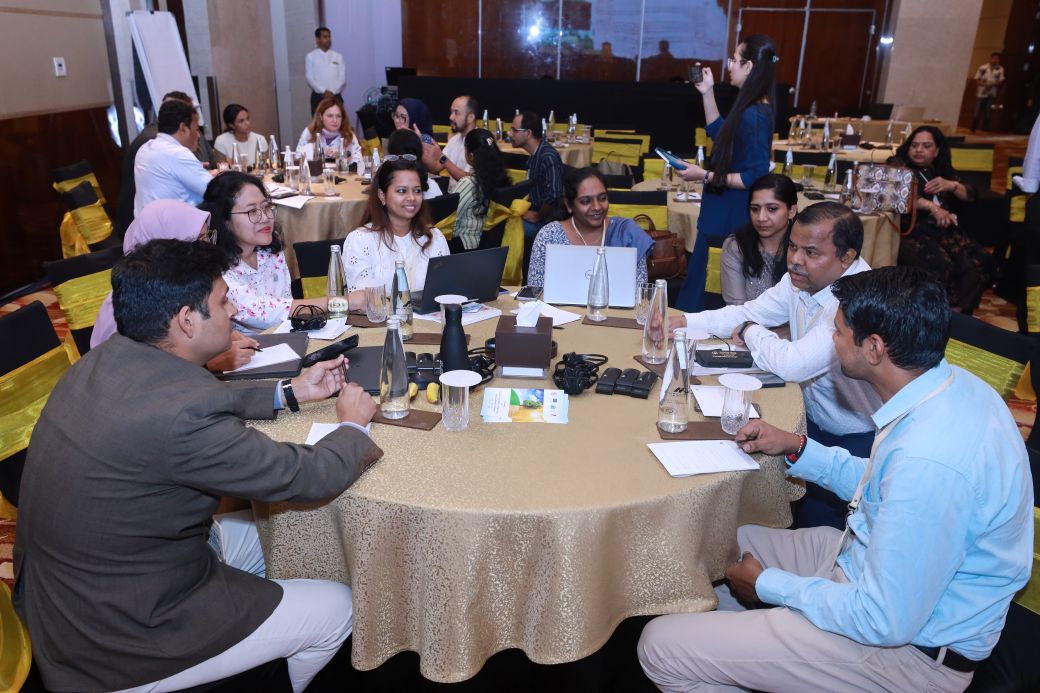
City pairing sessions were cornerstones of the second day and moderated by Mr. Helmi Abidin, UCLG ASPAC Regional Project Manager and Mr. Abhishek Pandey, Editor of Urban Update in AIILSG. The first session paired CRIC pilot cities representatives with Indian Peer Cities, including Indore, Delhi, Pimpri-Chinchwad, Thiruvananthapuram, Kochi, Nizampet, and Narsingh to exchange insights through discussions, covering project ideas and its climate impact linkages and their SDGs alignment, while considering existing capabilities, technical needs and potential funding schemes for those project ideas.
For instance, Gorontalo and Kupang together with Delhi and Kochi city discussed challenges and developed an integrated project on water, sanitation and waste management, where the project idea alsofocused on igniting behaviour change, aligning with SDGs 13, 5, 11, and 17 while discussing PPP experiences and water segregation approaches.
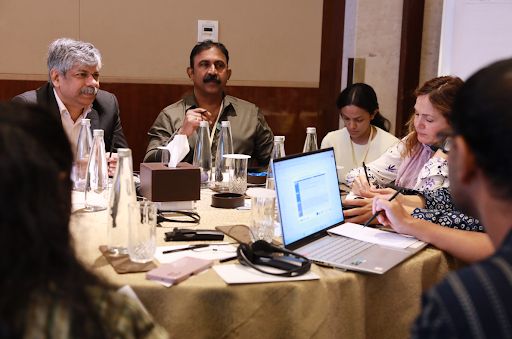
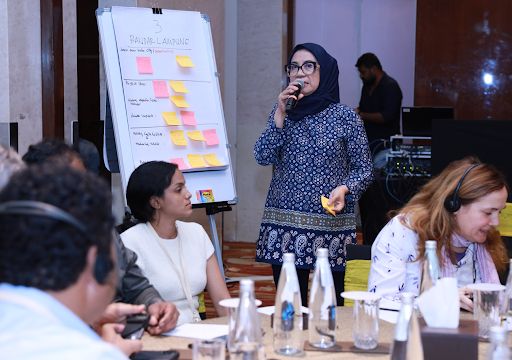
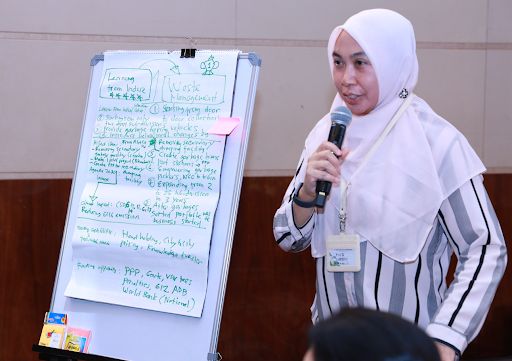
Indore Smart City shared waste management strategies with Cirebon, Mataram, and Pekanbaru, focusing on behaviour change and garbage collection improvements, and Hyderabad advised Bandar Lampung on stormwater management and financial models for EWS. For Samarinda’s net-zero goals, Kochi Water Metro provided insights on emission reduction strategies and funding models. Overall, this session illustrated the power of city-to-city learning in developing investor-attractive projects that prioritise climate resilience and inclusiveness.
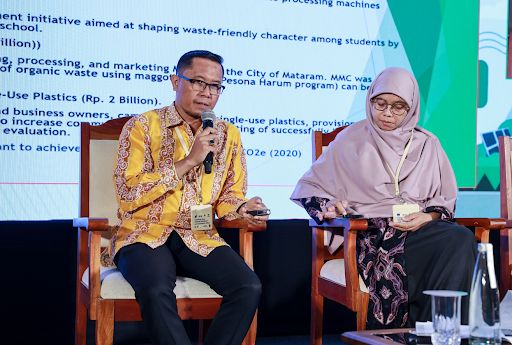
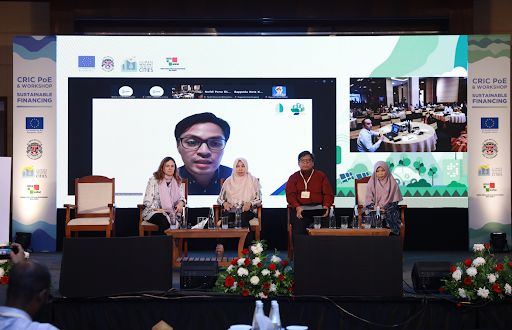
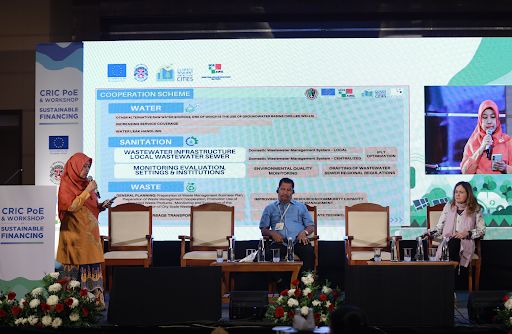
The second session was a pitching session from CRIC pilot cities representatives, facilitated by Dr. Pascaline Gaborit, Founder of Pilot4Dev, and featured Mr. Marvin Lagonera as City Advisor for Southeast Asia and South Asia, GCoM and the City Climate Gap Fund Partnership, and Mr. Prih Haryanta from Indonesia’s Environment Fund (BPDLH).
Mr. Marvin Lagonera acknowledged Pekanbaru and Cirebon’s strong evidence-based data – highlighting the importance of clear climate evidence in planning. He also emphasised the need for specific technical studies required for project implementation and highlighted Kupang and Gorontalo’s clear climate rationales and scenarios addressing future climate hazards related to waste and sanitation. However, he noted the importance, of among others, cost-benefit analyses to attract multilateral funding, and for Bandar Lampung, he acknowledged the city’s focus on setting up early warning systems (EWS), and encouraged the city to consider applying for Gap Fund support, as such initiatives align with its scope.
Training Session and Final Activities
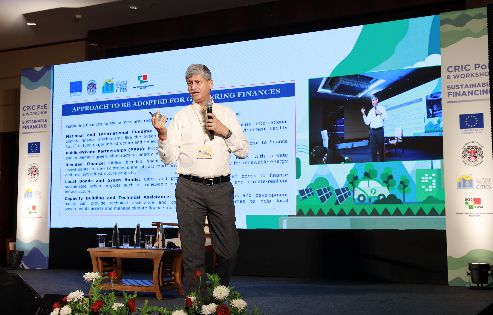
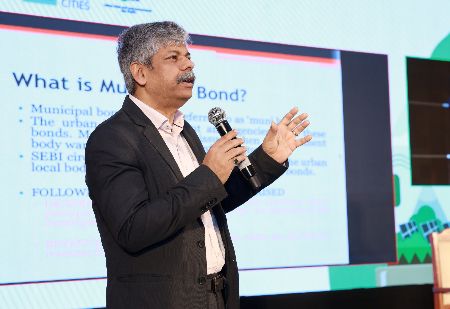
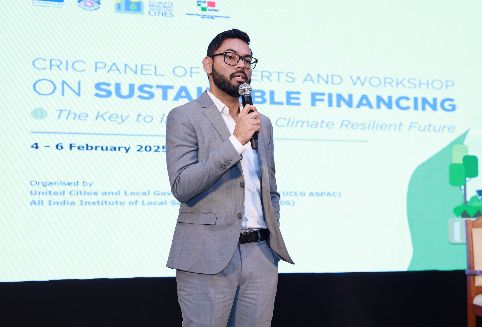
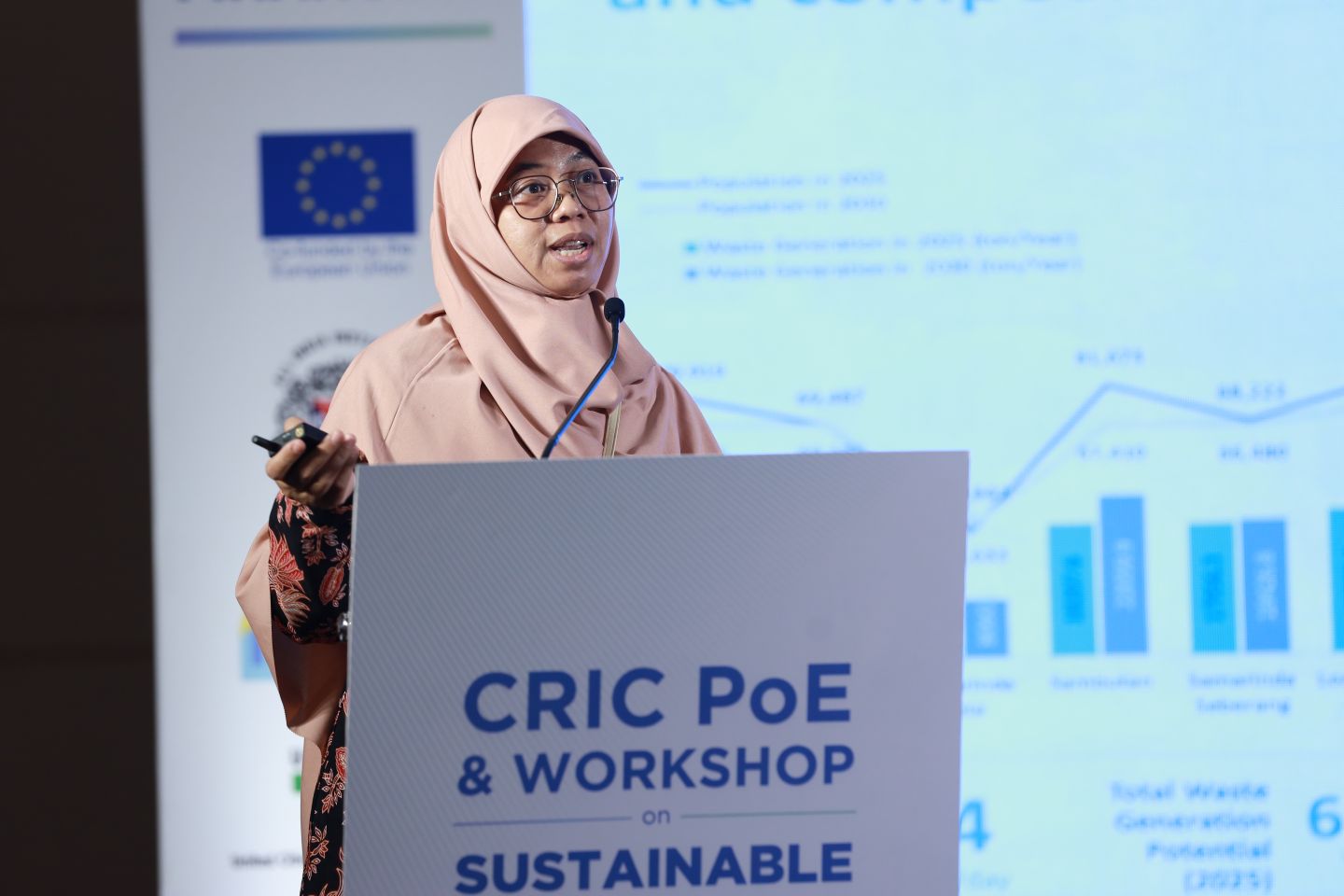
The second day also featured a training session led by Mr. Pravin Bhardwaj, as Sustainable Climate Financing Expert at AIILSG and Mr. Pashim Tewari that explore, among others, key financial instruments and the global and regional climate finance landscape, Indonesia’s available funding sources, and innovative financing mechanisms to support urban resilience such as PPPs.
Key discussions during the session revolved around the practical applications of mechanisms such as municipal bonds, how better central-local government coordination could improve urban financing. In a Q&A, Ms. Juli Nurdiana, lead author of Samarinda’s Climate Action Plan (CAP), for instance also emphasised bridging the gap between theory and practice in climate finance. Then, Mr. Divyank Singh, CEO of Indore Smart City gave an India perspective of stressing the need for PPP models, engaging the market and seeking expert-reviewed proposals to enhance urban project funding when central funding is limited.
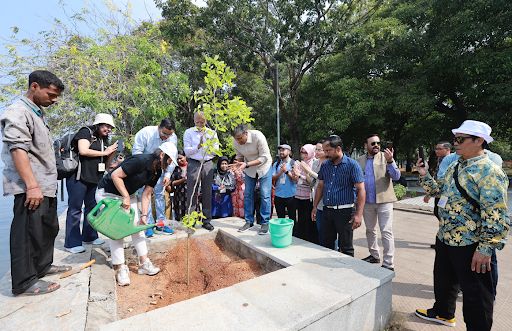
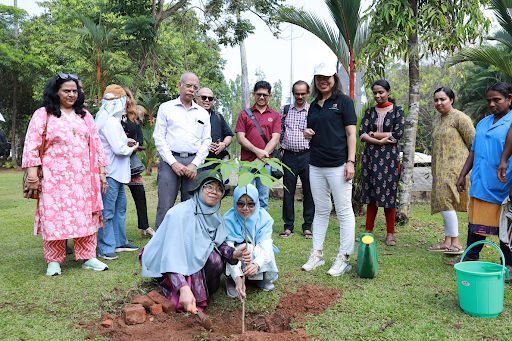
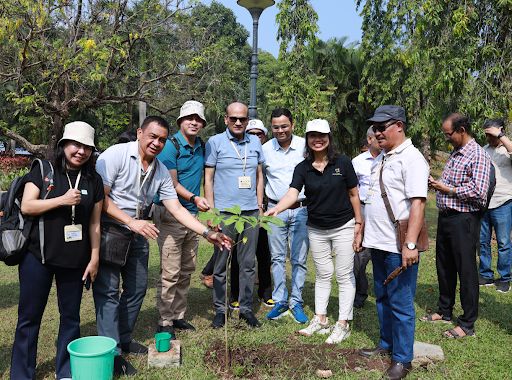
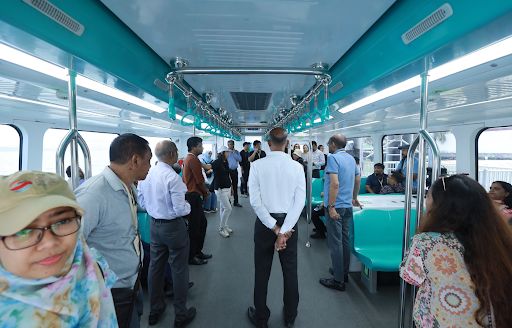
On the last day, participants took part in a tree-planting activity, reaffirming UCLG ASPAC and AIILSG’s commitment to sustainability, as well as a visit to Fort Kochi via the Kochi Water Metro, India’s first electric-powered water transport system, showcasing green mobility and sustainable urban transport in practice.
Looking Forward
Sustainability is essential for the future of local governance and community development. When it comes to well-established finance methods, the true issue is to navigate these opportunities efficiently and provide cities with the competence to meet funding criteria. UCLG ASPAC’s commitment to sustainable projects is critical in building local capacity, establishing collaborations, and embedding sustainability in all parts of urban development. Through dialogue, sharing best practices, and showcasing regional partnerships in action, this event has laid a strong foundation to empower cities in achieving their climate actions; driving lasting positive impacts in the years ahead.