

About Climate Resilient and Inclusive Cities Project
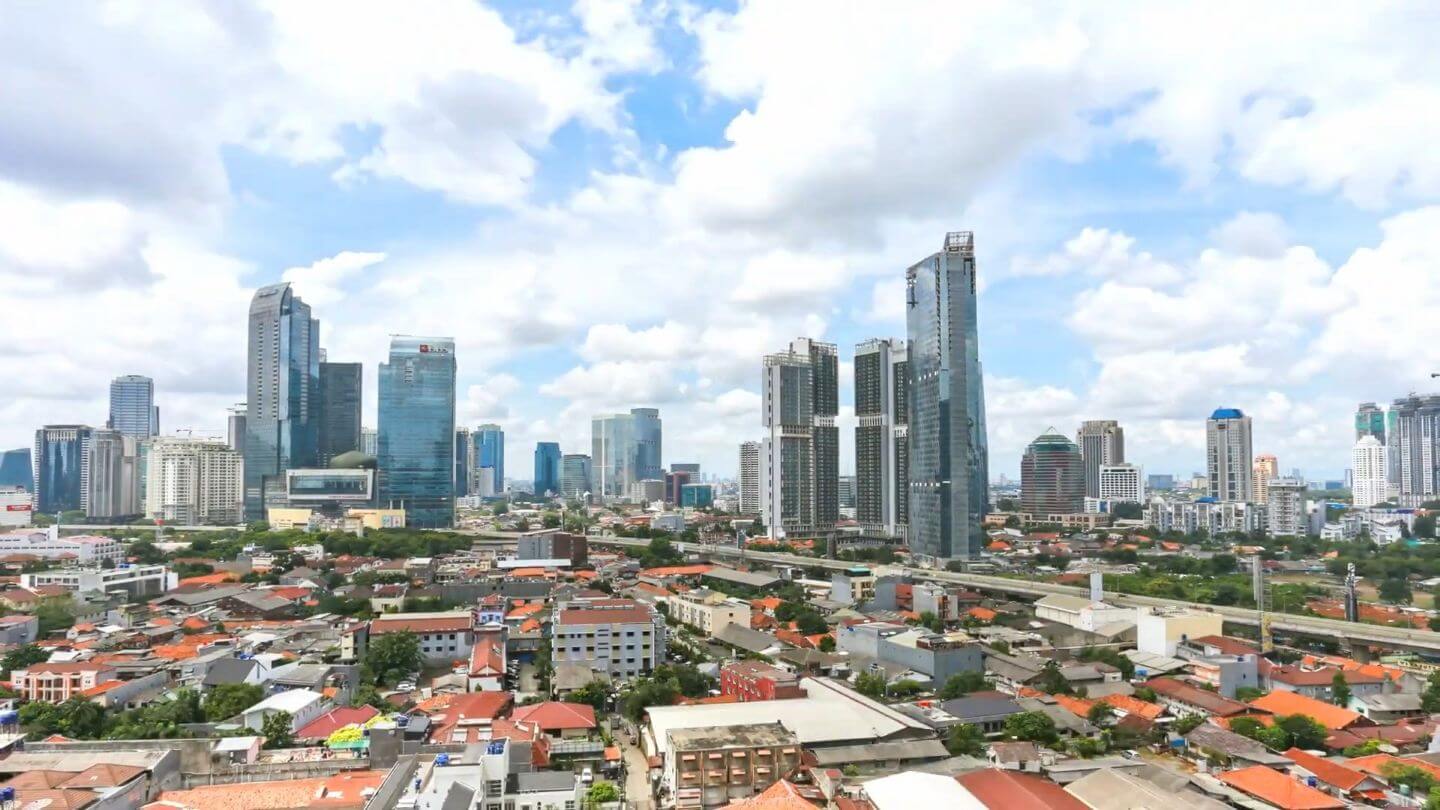
Climate Resilient and Inclusive Cities
The CRIC project is a five-year initiative co-funded by the European Union, aimed at creating lasting cooperation among cities and research centers in Europe, South Asia (India, Nepal, Bangladesh), and Southeast Asia (Indonesia, Malaysia, Philippines, Thailand).
We are collaborating with UCLG ASPAC, Pilot4DEV, ACR+, ECOLISE, AIILSG, and Gustave Eiffel University. The project focuses on sustainable urban development, good governance, and climate adaptation and mitigation through partnerships and tools like local action plans, early warning systems, and air quality and waste management strategies, developed in consultation with experts.
Target groups include local governments, urban stakeholders, and organizations working on climate resilience and inclusive governance. The final beneficiaries are the local communities, including women, marginalized groups, civil society, and the private sector.
Project Objectives
The project will support the transition to more resource efficient systems of production and consumption. It will develop early warning systems for the selected cities, and an analysis of the main sources of pollution.
Resilience and Environmental Action
Prosperity and Innovation in cities, innovation, culture, design, and the identification of sustainable financing mechanisms.
Well-being and Innovation in Cities
Will be developed with knowledge exchange and joint trainings among countries from the South and Southeast Asia (Indonesia, Malaysia, Vietnam, Philippines, India, and Nepal).
Promotion of Triangular Cooperation
Continued promotion of good governance, and the necessary policy and legal frameworks to implement urban policies.
To Strengthen Good Governance
Climate mitigation and adaptation can be achieved by a better understanding of local resources, and the empowerment of people.
Sustainable Resource Use by Cities
The project will pay a special attention to the question of informal settlements, rural migrants and marginalisation.
Social Cohesion and Inclusive Cities
To strengthen good governance: continued promotion of good governance, and the necessary policy and legal frameworks to implement urban policies.
The sustainable use of resources by cities: climate mitigation and adaptation can be achieved by a better understanding of local resources, and the empowerment of people.
Social cohesiveness and inclusive cities: the project will pay a special attention to the question of informal settlements, rural migrants and marginalisation.
Resilience and actions for the environment: the project will support the transition to more resource efficient systems of production and consumption. It will develop early warning systems for the selected cities, and an analysis of the main sources of pollution.
Prosperity and Innovation in cities, innovation, culture, design, and the identification of sustainable financing mechanisms.
The promotion of triangular cooperation: will be developed with knowledge exchange and joint trainings among countries from the South and Southeast Asia (Indonesia, Malaysia, Vietnam, Philippines, India, and Nepal).
Impact and Results of Our Project
In response to these urgent challenges, the Climate Resilience Inclusive Cities (CRIC) Project aims to foster lasting cooperation between cities and research centers in Europe and Southeast Asia. This five-year initiative focuses on sustainable urban development, good governance, and climate adaptation through tools such as local action plans and early warning systems.
The project also emphasizes social inclusivity by addressing issues related to informal settlements and marginalized communities. Target groups include local governments and urban stakeholders, with beneficiaries ranging from local communities to the private sector. Together, they work towards creating resilient and equitable urban environments.
This Project is Built on 3 Key Pillars

01
Knowledge Production and Exchange
The first pillar focuses on generating and sharing urban knowledge. The project will develop city reports (Urban Analysis Reports), strengthen analytical tools, and facilitate knowledge exchange between cities in Europe, Indonesia, and other Asian regions. These efforts will enhance collaboration and promote effective knowledge sharing.
02
Local Action Plans for Climate-Resilient and Inclusive Cities
The second pillar strengthens the capacity of cities and local authorities (LAs) to design and implement inclusive policies through Climate Action Plans (CAPs). It improves access to and quality of essential services and infrastructure, enhances waste and air pollution management, promotes green and low-carbon urban development, and strengthens disaster management.
03
Communication and Capacity Building
The third pillar enhances cities’ institutional, financial, and administrative capacities. It fosters collaboration among governments, businesses, and communities to improve decision-making, promotes the use of smart technologies, and supports public-private partnerships at the local level.